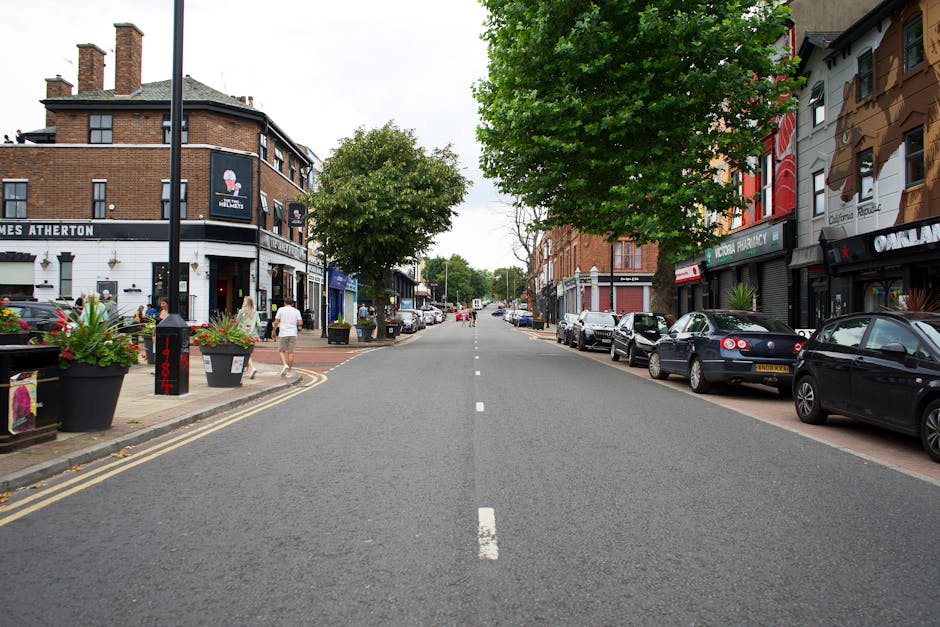
Colliers Wood High Street furniture removals access guide
If you are planning a furniture move around Colliers Wood High Street, the tricky part is often not the lifting - it is the access. Tight timing, busy pavements, delivery bays, awkward corners, and the usual South London traffic can turn a simple job into a bit of a juggle. This Colliers Wood High Street furniture removals access guide is here to help you plan properly, avoid the common headaches, and make the move feel far more manageable.
Whether you are clearing a flat above a shop, bringing in a new sofa, or organising a full household move, the same basics matter: where the van can stop, how far items need to be carried, whether anything needs dismantling, and how to keep everything safe. A good plan saves time, money, and stress. Simple, really. Well, mostly simple.
In the sections below, you will find a clear walkthrough of how access tends to work on and around the High Street, what to check before moving day, which mistakes catch people out, and when it makes sense to use a professional man and van or a more complete removal services package. You will also find a practical checklist and answers to the questions people ask most often.
Table of Contents
- Why Colliers Wood High Street access matters
- How the access process works in practice
- Key benefits and practical advantages
- Who this guide is for
- Step-by-step guidance
- Expert tips for better results
- Common mistakes to avoid
- Tools, resources and recommendations
- Law, compliance, standards and best practice
- Options and comparison table
- Case study example
- Practical checklist
- Conclusion
- Frequently asked questions
Why Colliers Wood High Street furniture removals access guide Matters
Access is the difference between a clean, efficient furniture removal and a day full of delays. Colliers Wood High Street is a busy local route with a mix of retail units, flats, side streets, busier junctions, and the usual London constraints that can make stopping or manoeuvring a van more difficult than it looks on a map.
That matters because furniture removals are not just about transport. They depend on the loading point, walking distance, door width, stairwells, lift access, timing, and how long the van can realistically stay in place. If you underestimate any one of those, you can end up with extra labour, re-parking, or a queue of neighbours trying to get past while you are wrestling a wardrobe through a doorway. Not ideal.
For many moves, the real risk is not a dramatic one. It is the slow drip of small issues: the sofa is too wide, the parking bay is a little further away than expected, the builder's rubble blocks the route, or the lift is out of service. Those small problems add up quickly. A proper access guide helps you see them before moving day.
It is also worth saying that good access planning supports safety. Carrying heavy items across uneven ground or through cramped entrances can increase the chance of damage to the property, the furniture, and the people doing the lifting. A careful approach is part of sensible moving practice, not an optional extra.
Practical takeaway: the best furniture move is usually the one where the van, the route, and the lifting plan are decided before anyone arrives with a sofa at the curb.
How Colliers Wood High Street furniture removals access guide Works
The access process is usually straightforward once you break it into stages. First, you identify the exact pickup and delivery points. Then you check vehicle access, loading space, entry routes, and any restrictions that might affect stopping time or carrying distance. Finally, you match the job to the right vehicle and crew size.
In real life, this often starts with a quick visual assessment. Can a removal van get close enough to the entrance? Is the front door wide enough for large items? Are there stairs, sharp turns, or a narrow hallway to deal with? These questions sound basic, but they decide whether the move is quick and tidy or a bit of a slog.
If the property is on an upper floor above shops or near a busy stretch of the High Street, the timing becomes even more important. Early mornings are often easier than midday, when customer traffic, deliveries, and passing vehicles all compete for space. On a warm Friday afternoon, access can feel twice as tight. That is London for you.
Professional movers normally deal with this by combining route planning, vehicle positioning, and carry strategy. If needed, they may use a smaller moving van for tighter access or arrange a larger team for heavier items. For bigger jobs, a coordinated house removals approach can reduce the back-and-forth that often slows things down.
Key Benefits and Practical Advantages
When access is properly planned, the benefits show up in several ways.
- Less carrying distance: the closer the van can stop, the safer and faster the move usually becomes.
- Lower damage risk: fewer turns, fewer lifts, and less time spent squeezing items through tight gaps.
- Better time control: you are less likely to lose half an hour hunting for a place to stop.
- Cleaner communication: everyone knows where to meet, what to bring, and what the route looks like.
- More accurate pricing: access details help a mover quote properly, rather than guessing and adjusting later.
There is also a quieter benefit: peace of mind. You may not notice it at first, but a well-planned access route changes the whole tone of the day. People move quicker. Tensions stay lower. Nobody is saying, "Wait, this won't fit," every five minutes.
For customers comparing options, access planning can also help you decide whether you need a simple man with van removal job or something more structured from a removal company. If the move involves heavy wardrobes, multiple floors, fragile furniture, or a lot of tight carrying, that distinction matters more than people expect.
Who This Is For and When It Makes Sense
This guide is useful for a few different kinds of mover.
Flat renters and homeowners: If you are moving a sofa, bed, dining set, or several large items from a property near the High Street, access details can save a lot of hassle. Flats above retail units are especially worth planning carefully.
Small business owners: Shops, studios, and offices sometimes need furniture moved out in limited windows. In those cases, access is just as important as speed. You may want to explore office removals or broader commercial moves if desks, shelving, and IT equipment are involved.
People collecting second-hand furniture: If you have bought a table, cabinet, or sofa locally, you still need the same planning. A quick furniture pick-up can become awkward if the seller's property is hard to access or the item needs two people to carry safely. In those cases, a focused furniture pick-up service may be the neatest option.
Anyone with limited parking or tight time windows: If the vehicle cannot wait for long, or if the area gets busy around school runs, lunch hours, or commuter times, access planning is not just helpful. It is essential.
Truth be told, if your first thought is "we should probably check the parking," then yes, you probably should. That instinct is usually right.
Step-by-Step Guidance
Use this as a simple working method before move day.
- Confirm the exact addresses. Small differences matter. A flat above a shop and a ground-floor unit on the same street can have very different access.
- Measure the furniture. Width, height, and depth are all relevant. If something is bulky or awkwardly shaped, measure it before the movers arrive.
- Check entrances and stairways. Look at door widths, hallway bends, stair turns, and ceiling height. A sofa that looks fine in the room may still catch on the stairwell.
- Identify the closest safe stopping point. The goal is not perfection. It is the nearest practical place where loading can happen without causing an obstruction or safety issue.
- Plan the carry route. Note any steps, kerbs, narrow gates, or shared entrances. If the route is long, decide who will clear the way.
- Decide whether items need dismantling. Beds, wardrobes, and some tables move far more easily when partially disassembled.
- Check for lift access or building rules. Some buildings need booking slots or require protective covers on walls and floors.
- Share everything with your mover in advance. Good removal planning depends on honest detail. If there is a low ceiling, a steep stair, or a loading issue, say so early.
- Prepare the property. Remove loose items, secure cables, and clear the path. A tidy route makes a surprising difference.
- Keep a final buffer. Even with perfect planning, small delays happen. Leave a little breathing room, especially if you are moving around peak traffic times.
If you are using professional help, ask for a quote that reflects the access conditions honestly. A clear conversation now is far better than a rushed one at the kerb. That is where the stress starts, and nobody needs that on moving day.
Expert Tips for Better Results
There are a few practical habits that make furniture removals go much more smoothly around busy high-street locations.
1. Book the earliest sensible window. Earlier slots are often easier for loading because the street is quieter and the footfall is lower. It can be a bit chilly in the morning, yes, but it is worth it.
2. Use the right size vehicle. A smaller van can be the smarter choice if access is tight, but if you have several large items, going too small can mean multiple trips. The sweet spot is usually somewhere in the middle. Not glamorous, just practical.
3. Protect both sides of the move. Blankets, wraps, edge protectors, and floor coverings are not just for show. They help protect painted walls, stairs, and the furniture itself.
4. Pre-sort items by priority. Put the heaviest and most awkward items near the exit first. If you know the sofa is coming out, do not bury it behind six boxes of books.
5. Keep the neighbour factor in mind. Shared entrances and narrow pavements can be frustrating for other people, especially at busy times. A polite heads-up can smooth things over faster than you might expect.
6. Be realistic about DIY moves. A friend with a car and good intentions is lovely. But carrying a wardrobe through a cramped stairwell is another matter entirely. If there is real weight, poor access, or fragile furniture, using professional movers is often the calmer choice.
One more thing: if the move involves packing support as well, combining the job with packing and unpacking services can cut down the chaos more than most people realise. It is one of those behind-the-scenes choices that quietly pays off.
Common Mistakes to Avoid
Here is where people usually come unstuck.
- Assuming access is fine because the street looks wide. A wide road does not always mean easy stopping or easy carrying.
- Forgetting about final metres. The distance from van to door matters more than many people expect.
- Not checking item sizes. A sofa that "looks standard" can still be too wide for a tight stair turn.
- Leaving dismantling too late. Furniture that should have been partly taken apart becomes much harder to move under time pressure.
- Ignoring delivery or loading timing. Busy periods make access slower and more awkward.
- Not telling the mover about access problems. This is the big one. If there is a basement, a narrow entrance, or no lift, say it early.
- Underestimating the number of trips. Multiple loads can eat up time and energy, especially if parking is limited.
A slightly boring truth: most moving problems are preventable. The catch is that they are usually prevented by unexciting things like measurements, timing, and honest communication. Not thrilling, but effective.
Tools, Resources and Recommendations
You do not need a box full of specialist kit to plan access well, but a few practical tools help a lot.
- Tape measure: for furniture width, door frames, and stair openings.
- Phone camera: to show the mover the entrance, stairwell, parking point, and tricky corners.
- Paper or notes app: to write down access details, floor numbers, and item sizes.
- Labels or stickers: useful when several pieces of furniture or grouped household items are involved.
- Protective wraps and blankets: ideal for wooden furniture, glass surfaces, and painted edges.
For move planning and peace of mind, a reliable removal van or a larger moving truck may be appropriate depending on volume and access. The important thing is to match the vehicle to the property, not just to the number of items.
It can also help to work with a provider that has clear service information and straightforward policies. Pages such as about us, insurance and safety, health and safety policy, and terms and conditions are useful because they show how the company handles risk, responsibility, and customer expectations. That kind of transparency matters more than flashy promises.
Law, Compliance, Standards, or Best Practice
Furniture removals are a practical service, but they still sit within normal UK expectations around safety, vehicle use, property access, and customer care. You do not need a legal lecture to move a sofa, thankfully, but a few basic standards are worth keeping in mind.
First, loading and stopping should be done safely and considerately. If a van blocks pedestrians, creates a hazard, or forces people into the road, that is poor practice. Second, heavy lifting should be handled with appropriate care. Good movers think about weight distribution, grip, manual handling, and route clearance before they start carrying.
Third, if the move involves business premises, you may need to fit around building rules, access hours, or property management requirements. That is especially common in mixed-use buildings on busy streets. It is wise to assume there may be procedures, even if they are not obvious at first glance.
Finally, if you are comparing providers, look for clear information on pricing and quotes, payment handling through payment and security, and complaint handling via complaints procedure. Those pages are not just admin. They are part of trust.
Best practice, in plain English, means telling the truth about access, taking care with the route, and not trying to save five minutes by creating a bigger problem. Easy to say. Still worth saying.
Options, Methods, or Comparison Table
Not every move needs the same setup. The best approach depends on furniture size, access difficulty, and how much help you want on the day.
| Option | Best for | Pros | Watch-outs |
|---|---|---|---|
| DIY car or small vehicle | Very small items, short local collections | Low cost, flexible | Poor for bulky furniture, higher risk of damage, more trips |
| Man and van | Single-item or light-to-medium furniture moves | Practical, often quick for local access challenges | May not suit large multi-room moves |
| Dedicated removal van | Medium-sized house or flat moves | Better capacity, more organised loading | Needs clearer access planning and parking space |
| Full removal service | Heavier, more complex, or multi-floor moves | More support, better for awkward access | Usually higher cost, but often worth it for difficult jobs |
If you are unsure where your move sits, a sensible starting point is to compare a local man with a van against a broader removals service. The right answer usually becomes obvious once you account for stairs, parking, and the number of items rather than just the headline price.
Case Study or Real-World Example
Imagine a small flat above a shop on Colliers Wood High Street. The customer has a sofa, a bed frame, a mattress, two bookshelves, and a dining table. On paper, it sounds manageable. In reality, the entrance is tight, the stairwell bends halfway up, and the nearest stopping point is not right outside the door.
Without access planning, the job could easily become a sequence of half-finished carries and repeated repositioning of the van. The sofa may need protective wrapping. The bed frame may need dismantling. The bookshelves may need to go out first so the hallway is clear. Nothing dramatic - just a dozen small decisions that shape how smooth the day feels.
Now compare that with a planned approach. The mover knows the floor level, the carry distance, the parking conditions, and which items are awkward. The customer has measured the larger pieces and cleared the route. The van stops once, loading is tidy, and the move gets done without that slightly frazzled feeling that tends to build when people are guessing as they go.
That is the real value of a good access guide. It does not make the move magical. It just makes it much less messy.
Practical Checklist
Use this before the moving van arrives.
- Confirm both addresses and the exact entrance to be used.
- Measure the largest furniture items.
- Check door widths, hallways, stairs, and any lift access.
- Note where a van can safely stop nearby.
- Ask whether any loading restrictions apply.
- Clear the route inside the property.
- Separate fragile or high-value items.
- Decide which furniture needs dismantling.
- Tell the mover about narrow turns, steps, or low ceilings.
- Keep keys, phone, and building access details easy to find.
- Allow extra time if the street is likely to be busy.
- Have blankets, tape, and labels ready if needed.
If you tick off even half of that list, you are already ahead of most last-minute moves. Honestly, a little preparation goes a long way.
Conclusion
A successful furniture move on or around Colliers Wood High Street comes down to one thing: access planning. The route matters, the parking matters, the stairwell matters, and the timing matters. Once those pieces are clear, everything else becomes easier to manage.
For a small item collection, a straightforward van booking may be enough. For more awkward properties, multiple floors, or heavier household furniture, a more structured approach can save time and reduce stress. That is especially true where the High Street layout makes stopping close to the door difficult. Good planning is not overkill - it is just smart.
Use the checklist, share clear access details, and choose the service level that fits the property rather than hoping the day will sort itself out. It usually does not. But with the right prep, it can still go smoothly, and that is the goal.
Get a free quote today and see how much you can save.
Frequently Asked Questions
What should I check before arranging furniture removals on Colliers Wood High Street?
Check the entrance type, floor level, stair width, lift access, parking or stopping space, and the size of your furniture. Those basics usually determine how easy the move will be.
Can a removal van stop right outside the property?
Sometimes, but not always. It depends on traffic, loading restrictions, road layout, and whether there is a safe place to stop without causing an obstruction. It is best to plan for the nearest practical point rather than assuming curbside access.
Is a man and van service enough for a High Street furniture move?
Often yes for smaller loads or single bulky items. If the move involves multiple large pieces, several floors, or difficult access, a more complete removals setup may be more suitable.
Do I need to dismantle furniture before moving day?
Not always, but it helps with beds, wardrobes, and large tables. If something looks awkward in a hallway or staircase, dismantling can make the move far safer and faster.
How can I make access easier for movers?
Clear the route, measure the furniture, keep doors open where safe, and tell the mover about steps, narrow turns, or building rules in advance. Small preparation can make a big difference.
What if the street is busy on the day of the move?
That is common in busy parts of London. Aim for a quieter time slot if possible, and make sure the mover knows the access conditions so the loading plan can be adjusted.
Are there risks to moving furniture through tight stairwells?
Yes. Tight stairwells increase the chance of knocks, scrapes, and awkward lifting positions. If the furniture is large or heavy, professional handling is usually the safer choice.
How far in advance should I book?
As early as you reasonably can, especially if you are moving at the end of the month or need a specific time window. Earlier booking also gives you more time to clarify access details.
What if I only need one piece of furniture collected?
Then a smaller, focused service may be enough. A furniture pick-up can be ideal for a sofa, table, or cabinet, especially if the item is local and access is straightforward.
Do I need to worry about insurance for a furniture move?
It is sensible to ask. A reputable mover should be clear about insurance and safety arrangements, so you know how the job is handled if something unexpected happens.
What if there is no lift and I live several floors up?
Tell the mover upfront. Several flights of stairs can affect timing, crew size, and the best way to carry bulky items. Honest detail helps prevent delays and surprises.
Where can I find more information about the company's policies?
Look for clear pages covering about us, insurance and safety, health and safety policy, pricing and quotes, terms and conditions, and complaints procedure. Those pages help you understand how the service is run and what to expect.
If you are still weighing up your options, start with the practical details first. Access usually tells you what kind of move you really need, and once that is clear, the rest tends to fall into place a lot more calmly.